
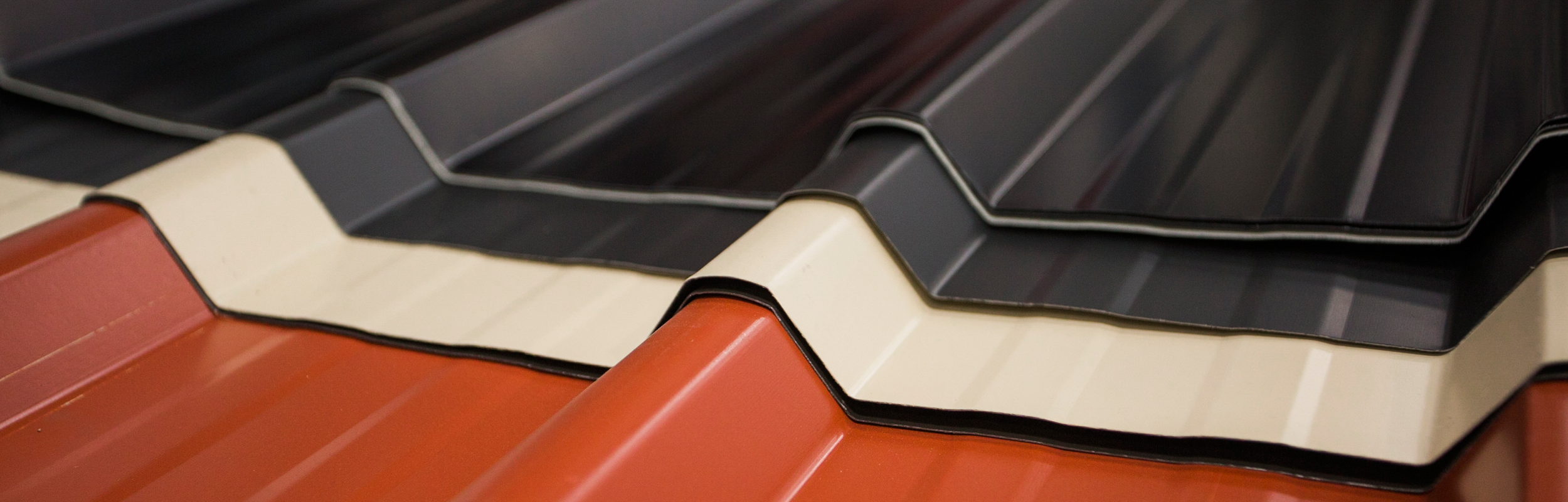
Five Rib Roofing – Trapezoidal Roofing and Wall Cladding Profile
Five Rib roofing is a trapezoidal metal roofing and wall cladding system designed for residential and commercial buildings across New Zealand. Freeman Roofing’s Five Rib profile provides a balance of strength, lightweight performance, and contemporary appearance suited to a wide range of applications.
The system is manufactured custom cut to length (subject to transport and site limitations), allowing sheet lengths to be tailored to project requirements. Five Rib is part of Freeman Roofing’s broader range of metal roofing profiles designed for architectural, residential, and commercial applications.
Key Features of Five Rib Roofing
Freeman Roofing Five Rib offers several advantages for roofing and wall cladding systems:
- Trapezoidal rib profile providing strength and lightweight efficiency
- Rib height of approximately 25–29 mm depending on profile variation
- Effective cover width typically between 754 mm and 765 mm
- Suitable for both roofing and wall cladding applications
- Custom sheet lengths manufactured to suit project requirements
The refined rib geometry creates a clean, contemporary appearance, making Five Rib a popular choice for residential, commercial, and decorative applications.
Minimum Roof Pitch
The minimum roof pitch for Five Rib roofing is 3°, when the system is designed and detailed in accordance with Freeman Roofing design details and recognised New Zealand compliance pathways.
If roof sheets are end lapped, the minimum pitch should be increased to 10°. Low-pitch roof applications and longer roof runs require appropriate detailing and installation to ensure adequate drainage and weather performance.
Typical Applications
Five Rib roofing is commonly used for:
Residential Roofing
Homes where a modern trapezoidal roof profile is desired with a balance of strength and visual appeal.
Commercial and Light Industrial Buildings
Buildings where lightweight efficiency and spanning capability are key design considerations.
Wall Cladding Systems
Five Rib can also be used as wall cladding when installed with an appropriate drainage cavity and support system.
For other roofing systems see Freeman Roofing’s full range of roofing styles and profiles.
Important Design Considerations
Correct detailing is essential to ensure the long-term performance of trapezoidal roofing systems.
Thermal Movement
Metal roofing expands and contracts with temperature changes. Detailing must allow for thermal movement across the roof system, particularly for longer sheet lengths and darker colours.
Wind Zones and Substrate
Substrate requirements, span capability, and fixing selection may vary depending on wind zone, exposure conditions, material type, and sheet thickness.
Span and Fixing Requirements
Purlin spacing and fixing patterns must be selected in accordance with Freeman Roofing span tables and design guidance to ensure structural performance.
Material selection may include products such as COLORSTEEL® or aluminium depending on project requirements and environmental conditions.
Talk to Your Local Freeman Roofing Branch
For product availability, sheet length constraints, and project-specific detailing support, contact your local Freeman Roofing branch.
Our team can assist architects, designers, and builders with selecting the appropriate Five Rib roofing system for their project.
Compliance
Five Rib must be installed in accordance with:
- Freeman Roofing Five Rib design details
- The NZ Metal Roofing Manufacturers Code of Practice
- Relevant New Zealand Building Code compliance pathways
Buildings outside the scope of standard acceptable solutions may require project-specific design and consenting.
Five Rib Drawings
Select Format
- Five Rib Residential Roof Details
- Five Rib Residential Wall Cladding Details
- Five Rib Commercial Wall Cladding Details
PDF Specifications
- 2025-03-10 Freeman Roofing FRQ Apex Barge
- 2025-03-10 Freeman Roofing FRQ Barge Board
- 2025-03-10 Freeman Roofing FRQ Barge Flashing
- 2025-03-10 Freeman Roofing FRQ Drip Edge Flashing
- 2025-03-10 Freeman Roofing FRQ Ridge
- 2025-03-10 Freeman Roofing FRQ Side Apron
- 2025-03-10 Freeman Roofing FRQ Upper Apron
- 2025-03-10 Freeman Roofing FRQ Valley Flashing
- 2025-03-10 Freeman Roofing FRQ Change of Pitch Flashing
DWG Specifications
- 2025-03-10 Freeman Roofing FRQ Apex Barge
- 2025-03-10 Freeman Roofing FRQ Barge Board
- 2025-03-10 Freeman Roofing FRQ Barge Flashing
- 2025-03-10 Freeman Roofing FRQ Drip Edge Flashing
- 2025-03-10 Freeman Roofing FRQ Ridge
- 2025-03-10 Freeman Roofing FRQ Side Apron
- 2025-03-10 Freeman Roofing FRQ Upper Apron
- 2025-03-10 Freeman Roofing FRQ Valley Flashing
- 2025-03-10 Freeman Roofing FRQ Change of Pitch Flashing
PDF Specifications
- 2023-11-30_Freeman Roofing -FLR-External Corner 1-FLR-EC1.pdf
- 2023-12-04_Freeman Roofing -FLR-External Corner 2-FLR-EC2.pdf
- 2020-12-04_Freeman Roofing -FLR-Internal Corner 1-FLR-IC1.pdf
- 2023-12-05_Freeman Roofing -FLR-Internal Corner 2-FLR-IC2.pdf
- 2023-12-05_Freeman Roofing -FLR-Wall Top 1-FLR-WT1.pdf
- 2023-12-05_Freeman Roofing -FLR-Wall Top 2-FLR-WT2.pdf
- 2023-12-05_Freeman Roofing -FLR-Wall Top 3-FLR-WT3.pdf
- 2023-12-05_Freeman Roofing -FLR-Wall Base 1-FLR-WB1.pdf
- 2023-12-05_Freeman Roofing -FLR-Wall Base 2-FLR-WB2.pdf
- 2023-12-06_Freeman Roofing -FLR-Window Head 1-FLR-WH1.pdf
- 2023-12-07_Freeman Roofing -FLR-Window Jamb 1-FLR-WJ1.pdf
- 2023-12-07_Freeman Roofing -FLR-Window Sill 1-FLR-WS1.pdf
DWG Specifications
- 2023-11-30_Freeman Roofing -FLR-External Corner 1.dwg
- 2023-12-04_Freeman Roofing -FLR-External Corner 2.dwg
- 2023-12-04_Freeman Roofing -FLR-Internal Corner 1.dwg
- 2023-12-05_Freeman Roofing -FLR-Internal Corner 2.dwg
- 2023-12-05_Freeman Roofing -FLR-Wall Top 1.dwg
- 2023-12-05_Freeman Roofing -FLR-Wall Top 2.dwg
- 2023-12-05_Freeman Roofing -FLR-Wall Top 3.dwg
- 2023-12-06_Freeman Roofing -CLR-Window Head 1.dwg
- 2023-12-06_Freeman Roofing -FLR-Window Head 1.dwg
- 2023-12-07_Freeman Roofing -FLR-Window Jamb 1.dwg
- 2023-12-07_Freeman Roofing -FLR-Window Sill 1.dwg
DWG Specifications – 2004
- 2020-01-31_Freeman-Group-FRQ-External-Corner-1.dwg
- 2020-01-31_Freeman-Group-FRQ-External-Corner-2.dwg
- 2020-01-31_Freeman-Group-FRQ-Internal-Corner-1.dwg
- 2020-01-31_Freeman-Group-FRQ-Internal-Corner-2.dwg
- 2020-01-31_Freeman-Group-FRQ-Wall-Top-1.dwg
- 2020-01-31_Freeman-Group-FRQ-Wall-Top-2.dwg
- 2020-01-31_Freeman-Group-FRQ-Wall-Top-3.dwg
- 2020-01-31_Freeman-Group-FRQ-Window-Base-1.dwg
- 2020-01-31_Freeman-Group-FRQ-Window-Head-1.dwg
- 2020-01-31_Freeman-Group-FRQ-Window-Jamb-1.dwg
- 2020-01-31_Freeman-Group-FRQ-Window-Sill-1.dwg
PDF Specifications
- 2019-10-15_Freeman-Group–FRC-Cover.pdf
- 2019-10-15_Freeman-Group–FRC-External-Corner.pdf
- 2019-10-15_Freeman-Group–FRC-Full-Set.pdf
- 2019-10-15_Freeman-Group–FRC-Head-Flashing.pdf
- 2019-10-15_Freeman-Group–FRC-Internal-Corner.pdf
- 2019-10-15_Freeman-Group–FRC-Jamb.pdf
- 2019-10-15_Freeman-Group–FRC-Junction.pdf
- 2019-10-15_Freeman-Group–FRC-Pipe-Penetration.pdf
- 2019-10-15_Freeman-Group–FRC-Roller-Door-Jamb.pdf
- 2019-10-15_Freeman-Group–FRC-Wall-Base.pdf
- 2019-10-15_Freeman-Group–FRC-Wall-Base2.pdf
DWG Specifications
- 2019-10-15_Freeman-Group–FRC-Cover.dwg
- 2019-10-15_Freeman-Group–FRC-External-Corner.dwg
- 2019-10-15_Freeman-Group–FRC-Head-Flashing.dwg
- 2019-10-15_Freeman-Group–FRC-Internal-Corner.dwg
- 2019-10-15_Freeman-Group–FRC-Jamb.dwg
- 2019-10-15_Freeman-Group–FRC-Junction.dwg
- 2019-10-15_Freeman-Group–FRC-Pipe-Penetration.dwg
- 2019-10-15_Freeman-Group–FRC-Roller-Door-Jamb.dwg
- 2019-10-15_Freeman-Group–FRC-Wall-Base.dwg
- 2019-10-15_Freeman-Group–FRC-Wall-Base2.dwg
DWG Specifications – 2004
- 2019-10-15_Freeman-Group–FRC-Cover.dwg
- 2019-10-15_Freeman-Group–FRC-External-Corner.dwg
- 2019-10-15_Freeman-Group–FRC-Head-Flashing.dwg
- 2019-10-15_Freeman-Group–FRC-Internal-Corner.dwg
- 2019-10-15_Freeman-Group–FRC-Jamb.dwg
- 2019-10-15_Freeman-Group–FRC-Junction.dwg
- 2019-10-15_Freeman-Group–FRC-Pipe-Penetration.dwg
- 2019-10-15_Freeman-Group–FRC-Roller-Door-Jamb.dwg
- 2019-10-15_Freeman-Group–FRC-Wall-Base.dwg
- 2019-10-15_Freeman-Group–FRC-Wall-Base2.dwg
OTHER ROOFING AND WALL CLADDING PROFILES
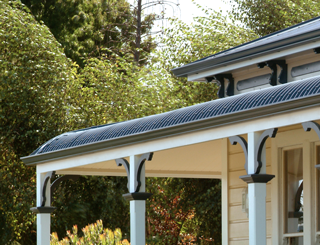
Corrugate
Corrugate roofing is a timeless classic and one of New Zealand’s most used roofing profiles.
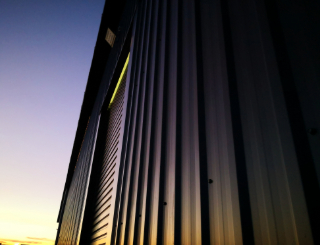
Free Span
Free Span is a roll-formed steel profile roofing & cladding material for large commercial and industrial buildings.
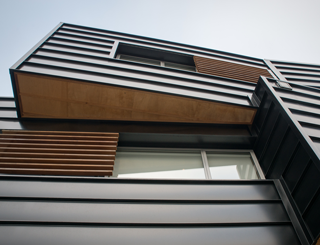
Standing Seam Tray
A popular roof finish, the standing seam tray roof profile provides a modern, seamless appearance.
Alpine Tray
The Alpine Tray profile provides greater water carrying capacity and strength for snow loading uses in alpine regions.