
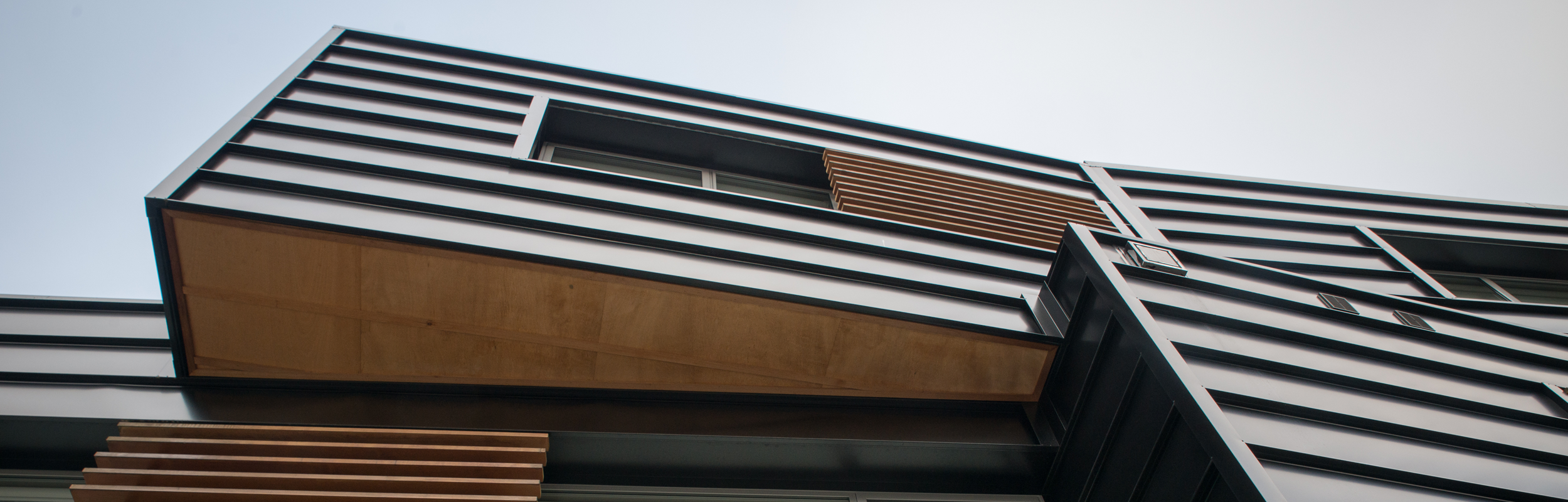
Standing Seam Tray Roofing – SS150 Architectural Profile
Standing seam tray roofing is a concealed-fix metal roofing and wall cladding system used on modern architectural buildings where clean lines, durability, and weather performance are required. SS150 forms part of Freeman Roofing’s wider range of metal roofing and wall cladding profiles designed for architectural and commercial projects.
The system is manufactured custom cut to length (subject to transport and site limitations), allowing tray widths and sheet lengths to be tailored to project requirements. SS150 is part of Freeman Roofing’s broader range of metal roofing profiles designed for architectural and commercial applications.
Key Features of SS150 Standing Seam Tray Roofing
The SS150 standing seam tray roofing system offers several advantages for architectural roofing and wall cladding applications:
-
Concealed clip fixing system for a clean architectural finish
-
38 mm rib height providing strength and effective water-carrying capacity
-
Variable tray widths typically between 300 mm and 510 mm
-
Suitable for both roofing and wall cladding applications
-
Custom tray lengths manufactured to suit project requirements
Standing seam tray roofing is commonly specified for projects requiring a modern architectural metal roofing system with minimal visible fixings.
Minimum Roof Pitch
The minimum roof pitch for SS150 standing seam tray roofing is 3°, when the system is designed and detailed in accordance with Freeman Roofing SS150 design details and recognised New Zealand compliance pathways.
Low-pitch roof applications require appropriate detailing and installation to ensure adequate drainage and weather performance.
Typical Applications for Standing Seam Tray Roofing
Standing seam tray roofing is commonly used for:
Architectural Residential Roofing
Modern residential buildings where a clean architectural roof profile is required.
Low-Pitch Roofing
Projects where roof pitch is limited and concealed-fix roofing systems are preferred.
Wall Cladding Systems
Architectural wall cladding applications when installed with an appropriate drainage cavity and substrate.
For other roofing solutions, see Freeman Roofing’s full range of roofing styles and profiles.
Important Design Considerations
Standing seam tray roofing systems require correct design and installation detailing to ensure long-term performance.
Thermal Movement
Metal tray systems expand and contract with temperature changes. Therefore, detailing must allow for thermal movement.
Oil Canning
Standing seam tray roofing may show visible waviness depending on lighting conditions, substrate stiffness, tray width, and viewing angle. This visual characteristic, commonly known as oil canning, is inherent in metal tray roofing systems.
Low-Pitch Roofs
For roof pitches below 10°, purlin spacing and roof underlay support may require adjustment as part of the project-specific design.
Wind Zones and Substrate
Substrate requirements may vary depending on wind zone, exposure conditions, tray width, and material selection.
Material selection may include products such as COLORSTEEL® or aluminium depending on project requirements and environmental conditions.
Talk to Your Local Freeman Roofing Branch
For product availability, sheet length constraints, and assistance with project-specific detailing, contact your local Freeman Roofing branch.
Our team can assist architects, designers, and builders with selecting the appropriate standing seam tray roofing system for their project.
Compliance
SS150 standing seam tray roofing must be installed in accordance with:
-
Freeman Roofing SS150 design details
-
Relevant New Zealand Building Code compliance pathways
Buildings outside the scope of standard acceptable solutions may require project-specific design and consenting.
Standing Seam Roof Drawings
Select Format
- 2026-03-16_Freeman-Roofing-SST-Drip-Edge.pdf
- 2026-03-16_Freeman-Roofing-SST-Ridge-Hip.pdf
- 2026-03-16_Freeman-Roofing-SST-Apex-Barge.pdf
- 2026-03-16_Freeman-Roofing-SST-Barge2.pdf
- 2026-03-16_Freeman-Roofing-SST-Side-Apron.pdf
- 2026-03-16_Freeman-Roofing-SST-Upper-Apron.pdf
- 2026-03-16_Freeman-Roofing-SST-Barge.pdf
- 2026-03-16_Freeman-Roofing-SST-Valley.pdf
- 2026-03-16_Freeman-Roofing-SST-Drip-Edge.dwg
- 2026-03-16_Freeman-Roofing-SST-Ridge-Hip.dwg
- 2026-03-16_Freeman-Roofing-SST-Apex-Barge.dwg
- 2026-03-16_Freeman-Roofing-SST-Barge2.dwg
- 2026-03-16_Freeman-Roofing-SST-Side-Apron.dwg
- 2026-03-16_Freeman-Roofing-SST-Upper-Apron.dwg
- 2026-03-16_Freeman-Roofing-SST-Barge.dwg
- 2026-03-16_Freeman-Roofing-SST-Valley.dwg
PDF Specifications
- 2019-11-13_Freeman-Group-Standard-Drawings-SST-External-Corner-Flashing.pdf
- 2019-11-13_Freeman-Group-Standard-Drawings-SST-External-Corner-Flashing2.pdf
- 2019-11-13_Freeman-Group-Standard-Drawings-SST-Head-Flashing.pdf
- 2019-11-13_Freeman-Group-Standard-Drawings-SST-Internal-Corner-Flashing.pdf
- 2019-11-13_Freeman-Group-Standard-Drawings-SST-Internal-Corner-Flashing2.pdf
- 2019-11-13_Freeman-Group-Standard-Drawings-SST-Jamb-Flashing.pdf
- 2019-11-13_Freeman-Group-Standard-Drawings-SST-Sill-Flashing.pdf
- 2019-11-13_Freeman-Group-Standard-Drawings-SST-Wall-Base-Flashing.pdf
- 2023-07-18_Freeman-Group-SST-Change-of-Pitch-SST-CP1.pdf
DWG Specifications
- 2019-11-13_Freeman-Group-Standard-Drawings-SST-External-Corner-Flashing.dwg
- 2019-11-13_Freeman-Group-Standard-Drawings-SST-External-Corner-Flashing2.dwg
- 2019-11-13_Freeman-Group-Standard-Drawings-SST-Head-Flashing.dwg
- 2019-11-13_Freeman-Group-Standard-Drawings-SST-Internal-Corner-Flashing.dwg
- 2019-11-13_Freeman-Group-Standard-Drawings-SST-Internal-Corner-Flashing2.dwg
- 2019-11-13_Freeman-Group-Standard-Drawings-SST-Jamb-Flashing.dwg
- 2019-11-13_Freeman-Group-Standard-Drawings-SST-Sill-Flashing.dwg
- 2019-11-13_Freeman-Group-Standard-Drawings-SST-Wall-Base-Flashing.dwg
- 2023-07-18_Freeman Group -SST-Change-of-Pitch.dwg
DWG Specifications – 2004
- 2019-11-13_Freeman-Group-Standard-Drawings-SST-External-Corner-Flashing.dwg
- 2019-11-13_Freeman-Group-Standard-Drawings-SST-External-Corner-Flashing2.dwg
- 2019-11-13_Freeman-Group-Standard-Drawings-SST-Head-Flashing.dwg
- 2019-11-13_Freeman-Group-Standard-Drawings-SST-Internal-Corner-Flashing.dwg
- 2019-11-13_Freeman-Group-Standard-Drawings-SST-Internal-Corner-Flashing2.dwg
- 2019-11-13_Freeman-Group-Standard-Drawings-SST-Jamb-Flashing.dwg
- 2019-11-13_Freeman-Group-Standard-Drawings-SST-Sill-Flashing.dwg
- 2019-11-13_Freeman-Group-Standard-Drawings-SST-Wall-Base-Flashing.dwg
OTHER METAL ROOFING AND WALL CLADDING PROFILES
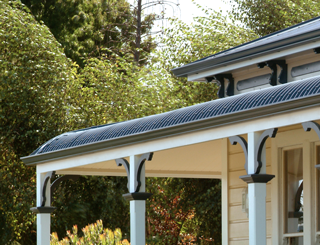
Corrugate
Corrugate roofing is a timeless classic and one of New Zealand’s most used roofing profiles.
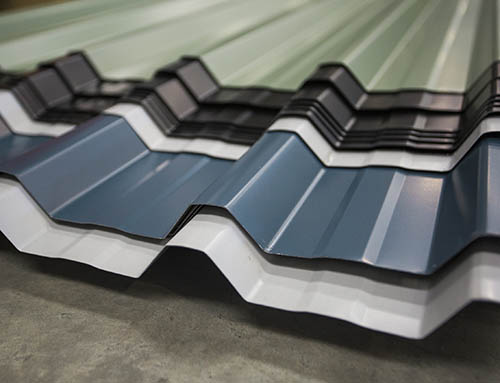
Six Rib
Six Rib roofing has an extra rib compared to most other products, giving it a distinctive profile and greater rigidity.
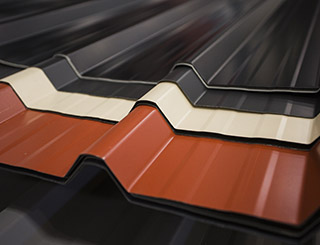
Five Rib
Five Rib roofing is light, strong and stylish, perfect for both domestic and commercial applications.
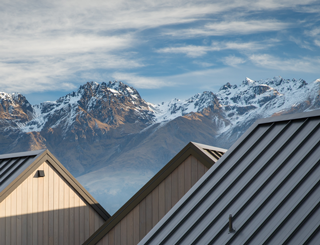
Alpine Tray
The Alpine Tray profile provides greater water carrying capacity and strength for snow loading uses in alpine regions.