
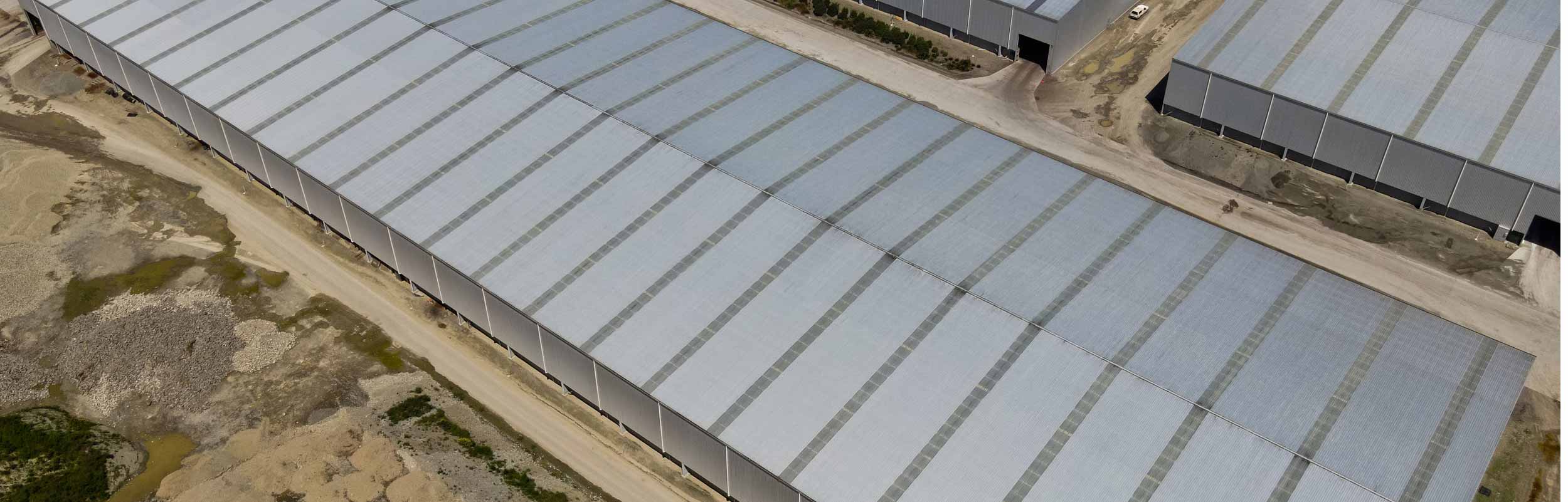
Purlins and Girts – Cold-Formed Steel Structural Sections
Purlins and girts support roofing and wall cladding systems in residential, commercial, and industrial buildings. Freeman Roofing manufactures FR purlins and girts from roll-formed, zinc-coated high-tensile steel for a wide range of construction applications.
Freeman Roofing roll-forms these sections, punches them in-line, and cuts them to length. As a result, installation is more efficient and integrates well with metal roofing and wall cladding systems. In addition, this process improves consistency on site.
Key Features of FR Purlins and Girts
- Manufactured from zinc-coated high-tensile steel
- Cold-formed C-section profiles for structural efficiency
- Available in a range of depths and thicknesses
- Punched and cut to length for efficient installation
- Suitable for both roof purlins and wall girts
The optimised section geometry and material selection provide a strong, lightweight solution for supporting metal roofing and wall cladding systems. As a result, these sections are widely used across a range of building types. In particular, they suit lightweight steel construction.
Typical Applications
Roof Purlins
Purlins support metal roofing systems and transfer loads to the primary structure.
Wall Girts
Girts act as horizontal framing members and support wall cladding systems.
Commercial and Industrial Buildings
Designers commonly use these sections in sheds, warehouses, garages, and pre-engineered buildings.
Design and Engineering
Designers must size purlins and girts in accordance with project-specific structural requirements, including span, loading, wind conditions, and bracing configuration. Therefore, engineers should select sections based on design calculations and verify them against span tables. In practice, this approach ensures structural performance.
Freeman Roofing tests FR purlins and girts for use within the New Zealand construction industry. In addition, we provide section properties and span tables to support engineering design.
Important Considerations
Structural Design
A suitably qualified designer must select section size, thickness, and spacing based on load requirements and building configuration.
Corrosion Protection
Zinc-coated steel provides durability; however, designers should also consider environmental exposure conditions when selecting material specification.
Compatibility
Purlins and girts must align with the selected roofing and cladding system. In addition, designers must consider fixing methods and support requirements.
Talk to Your Local Freeman Roofing Branch
For product availability, section selection, and project-specific support, contact your local Freeman Roofing branch.
Our team can help you select the appropriate purlin and girt system for your project. We can also provide supporting technical information where required.
OTHER ROOFING AND WALL CLADDING PROFILES
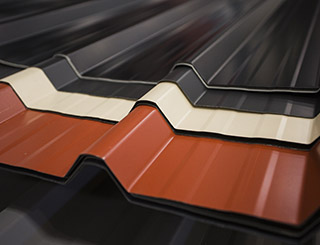
Five Rib
Five Rib roofing is light, strong and stylish, perfect for both domestic and commercial applications.
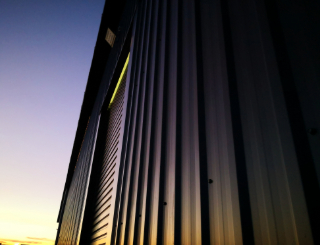
Free Span
Free Span is a roll-formed steel profile roofing & cladding material for large commercial and industrial buildings.
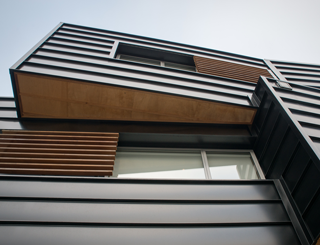
Standing Seam Tray
A popular roof finish, the standing seam tray roof profile provides a modern, seamless appearance.
Alpine Tray
The Alpine Tray profile provides greater water carrying capacity and strength for snow loading uses in alpine regions.